
🔔 What kind of professional development do teachers truly deserve?
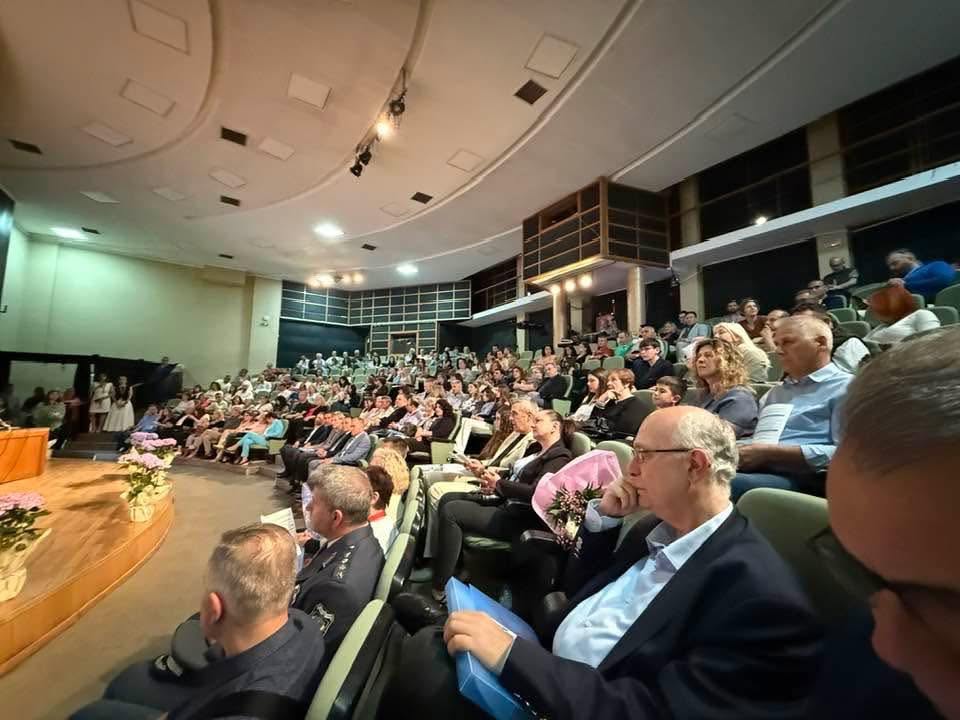
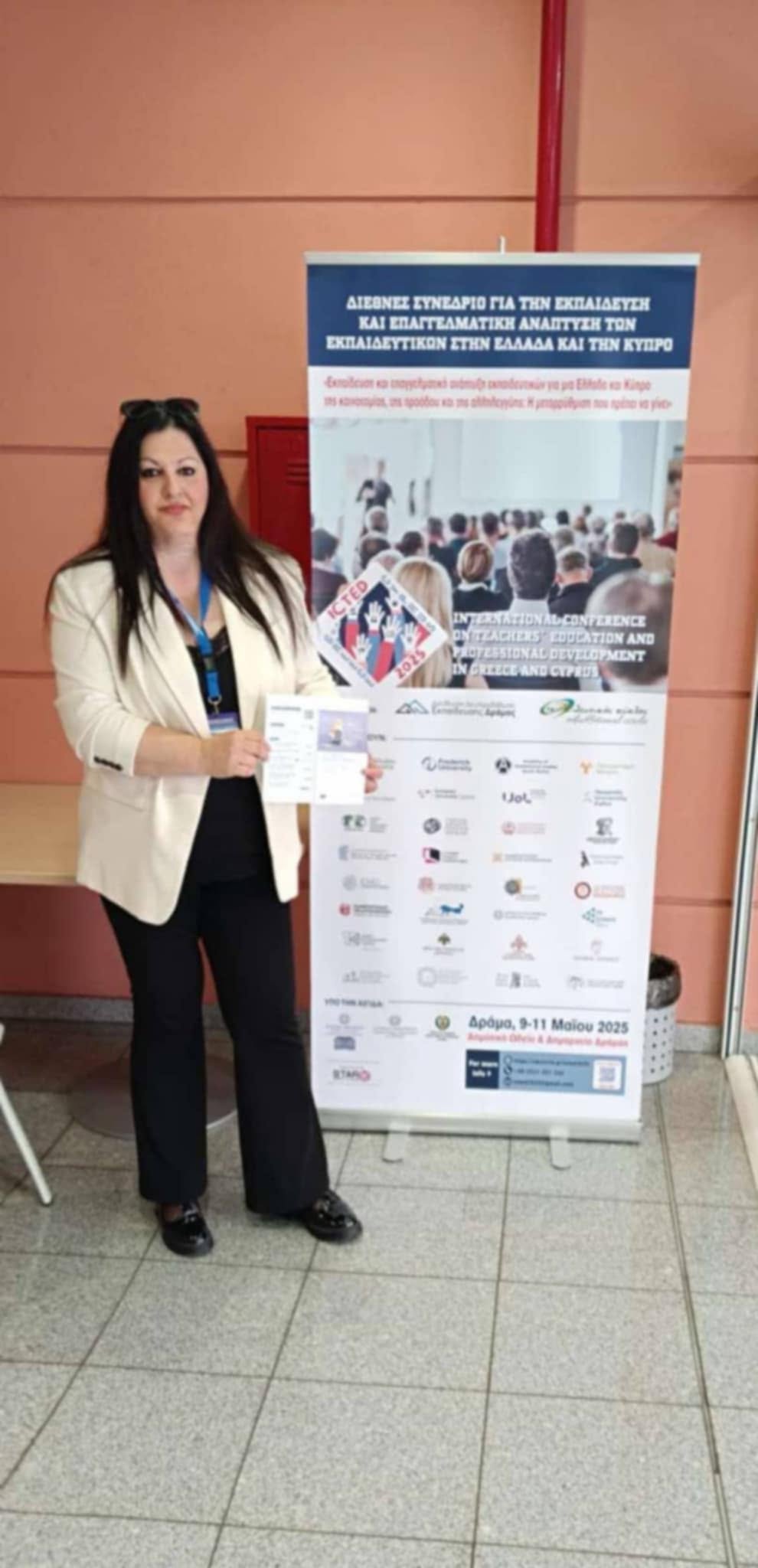
This was the central question we aimed to explore at the ICTED 2025 Conference, held in Drama, Greece, from May 9–11. The conference brought together 27 universities from Greece and abroad, along with numerous educational institutions and stakeholders.
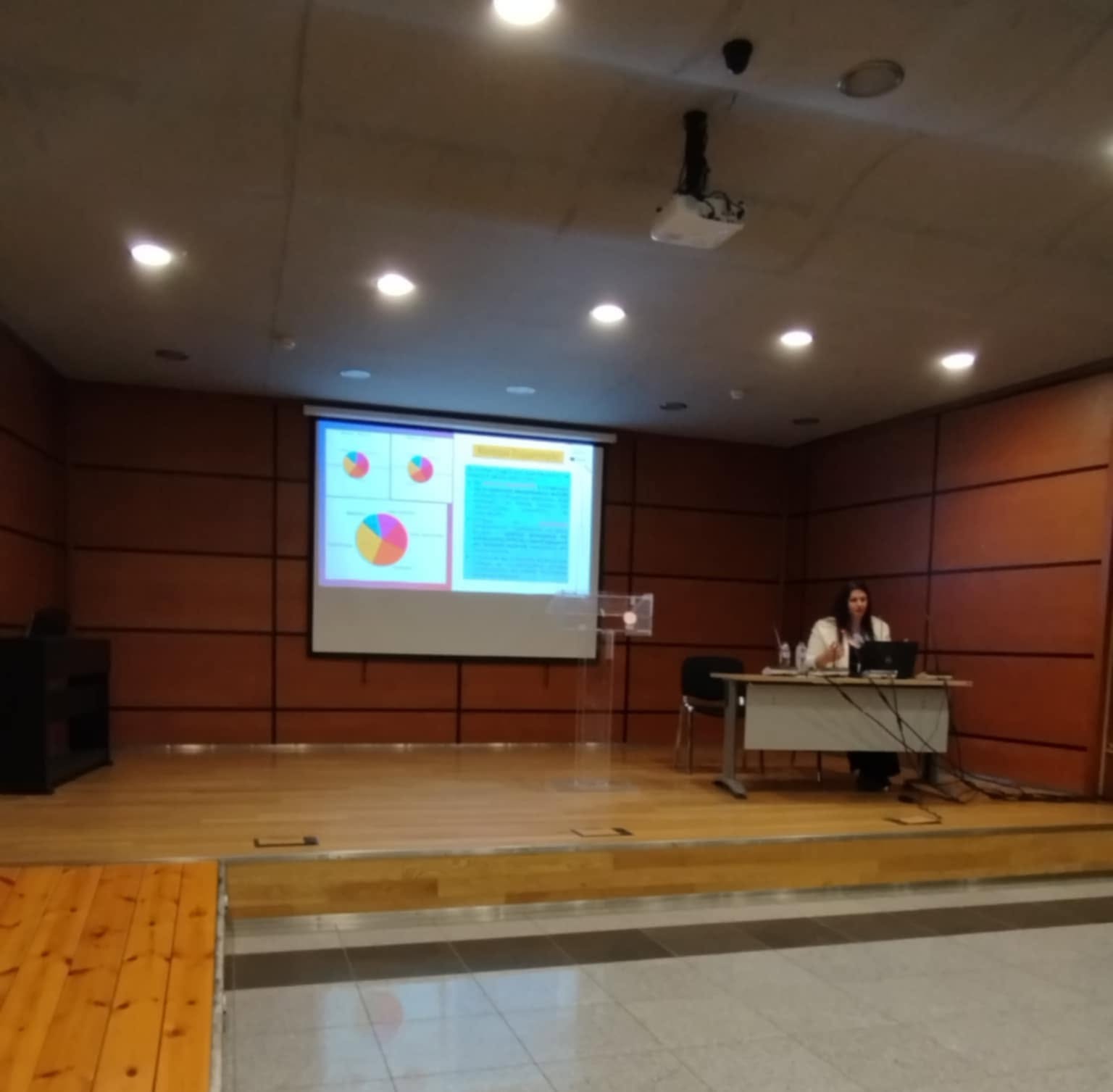
🎤 During the event, we presented the national analysis of the European project FOOTT PRINTTS – Focus on Teacher Training: Practical Guidelines for In-service Teacher Trainers.
📊 The study, involving almost 6,000 education professionals from six European countries and coordinated by the University of Vienna, highlighted critical findings at the micro-, meso-, and macro-levels:
The need for practical, hands-on training with guidance and active participation (e.g., mentoring, workshops, microlearning),A clear preference for professional development within schools or recognized institutional settings, such as universities,
The importance of timing — outside teaching hours, but not at the expense of personal life,
And most importantly, the need for meaningful, applicable content that strengthens teachers’ professional identity and everyday practice.
📌 The conference provided a valuable space for exchanging ideas and enriching the dialogue around quality in professional development, supported by flexibility, institutional support, and transparency.
🎯 The message is clear: professional development cannot be limited to theoretical updates. It must involve targeted, practice-oriented actions aligned with real classroom needs.
🙏 Special thanks to the Directorate of Secondary Education of Drama and the Scientific Association “Educational Circle” for the excellent organization of this inspiring event!
About the Author: Georgia Karagianni